Build your MeCard payload
Compose the MeCard payload: name (N), phone (TEL), email (EMAIL) and optional URL or address. Keep entries concise so the 80-150 byte cap fits jewelry tags or business-card corners.
Share contact details on business cards and badges in the MeCard format






A MeCard QR code is a QR code that bridges physical business cards to a saved contact in the recipient's phone address book. It encodes the compact NTT DoCoMo MeCard format that iOS, Android and Asia feature-phone scanners decode natively without any third-party app. Recipients drop name, phone and email into Contacts in one tap.
Add your logo, brand colors and AI-generated designs for codes that match your Japan business card aesthetic, meishi-exchange culture or Asia-market branding. Print on Japanese-format business cards, tiny jewelry tags, pen-engraved contact corners, keychain inserts, or developer-IoT embedded scanners. The compact ~80-150 byte payload fits where a vCard QR would be too dense and works back to feature-phone scanners for cross-generation Asia networking events. The ZXing barcode contents reference documents MeCard parsing rules used by most open-source QR scanners. Background on the format is also available on Wikipedia). MeCard QRs are static by design, encoded directly into the pixel pattern, so the data stays permanent once printed.
Compose name, phone and email in the compact MeCard format, brand the QR code with logo and AI-generated designs, then download in PNG, SVG, or PDF for tiny-print jewelry tags or business-card corners.
Compose the MeCard payload: name (N), phone (TEL), email (EMAIL) and optional URL or address. Keep entries concise so the 80-150 byte cap fits jewelry tags or business-card corners.
Add your logo, brand colors and pixel patterns. Pick from 1200+ templates or generate QR Code Art to match your Japan business card aesthetic, meishi-exchange palette or Asia-market branding.
Export in PNG, SVG, or PDF. Print on Japan-format business cards, jewelry tags, pen-engraved corners or keychain inserts. Test scan across iOS Camera, Android default and ZXing-based scanners first.
Turn name, phone and email into a one-scan ~80-150 byte MeCard payload, add your logo, customize for Japan-aesthetic business cards or pen-engraved corners and download print-ready exports.

Static MeCard codes carry no analytics by design. Every URL, Instagram or landing page QR in your library tracks scans, devices and locations in real time.
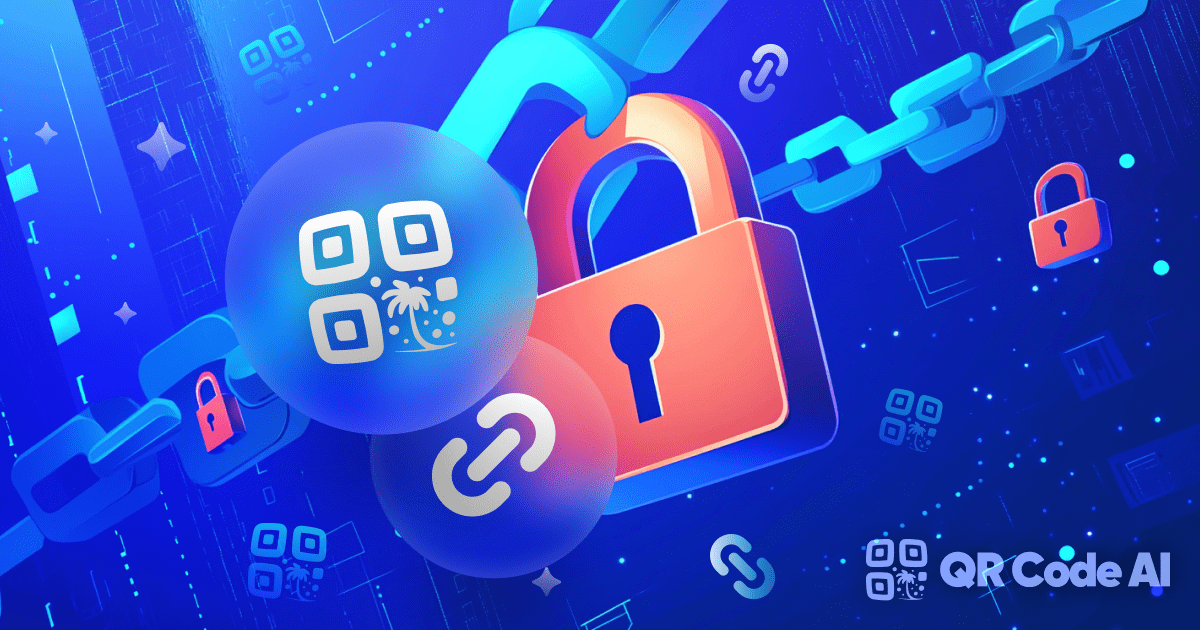
Convert long URL fields inside MeCard payloads into custom short links with UTM parameters before encoding the QR. A/B-test Japan-market vs Korea-market vs cross-Asia variants.

Add your logo, brand colors & AI-generated designs to every MeCard code. 1200+ templates for Japan business cards, jewelry tags, pen-engraved corners and developer-IoT lanyards.
MeCard QR uses the compact 80-150 byte NTT DOCOMO legacy format; vCard QR encodes the RFC 6350 multi-line global standard. Use vCard as the Western default.
Use the vCard format
MeCard QR works across any scanner for Japan-market contacts; WeChat QR opens the China-market profile and needs the WeChat app installed.
Open the WeChat profile
MeCard QR carries name, phone and email in one compact payload; Phone QR encodes the tel: scheme for atomic dial-only with no contact saved.
Trigger a phone call
Email QR opens a mailto: compose draft for direct outreach; MeCard QR drops name, phone and email into the address book in one tap.
Compose an email instead
Instagram QR opens the visual social profile or Reels feed online; MeCard QR saves the offline contact card straight into the address book.
Open the Instagram profile
URL QR loads any webpage as a generic external destination; MeCard QR carries name, phone and email inline with no URL round-trip.
Open a webpage insteadBeaming Compact Contact Cards with QR Codes
Enter your name, phone, email and optional company in QR Code AI then pick MeCard as the format. The generator builds the 2002 NTT DOCOMO compact payload (single line, ~80-150 bytes) and encodes it into the QR. Customize with your photo, logo and brand colors, then download in PNG, SVG or PDF. MeCard saves the contact in one tap on any phone, and its compact size makes the QR ideal for jewelry tags, pen engravings or business-card corners.
Use MeCard when you need an ultra-compact payload (jewelry tags, pen engravings, keychain inserts, business-card corners) or when your audience is in Japan, Korea or China where meishi-exchange culture expects MeCard, or for compatibility with legacy feature phones. Use vCard (RFC 6350) for everyone else: it's the modern global standard with richer fields (multiple phones, emails, addresses, photo, role, organization) supported by every modern smartphone OS.
Yes. MeCard QR codes are static by design, with the data encoded directly into the pixel pattern, so they are free on QR Code AI. Generate, customize with your logo, brand colors and AI-designed templates, then download unlimited copies in PNG, SVG or PDF without watermarks. The code scans on iOS, Android and any modern smartphone camera, with no app required.
MeCard supports 8 core fields: name (N), phone (TEL accepts one number), email (EMAIL), URL, address (ADR), nickname (NICKNAME), birthday (BDAY) and a memo note. The TEL one-only constraint differs from vCard which accepts unlimited TYPE-tagged phone numbers. For multiple phone numbers per contact, vCard is the better format choice.
No, MeCard QRs are static-only by design: payloads encode directly into the pixel pattern with no URL round-trip and no tracking layer. To track scans on a contact-share flow, encode the URL field inside MeCard with a tracked short link, or generate a URL QR pointing to a hosted contact landing page instead. Native MeCard QRs cannot capture scan analytics by themselves.